February 8, 2026
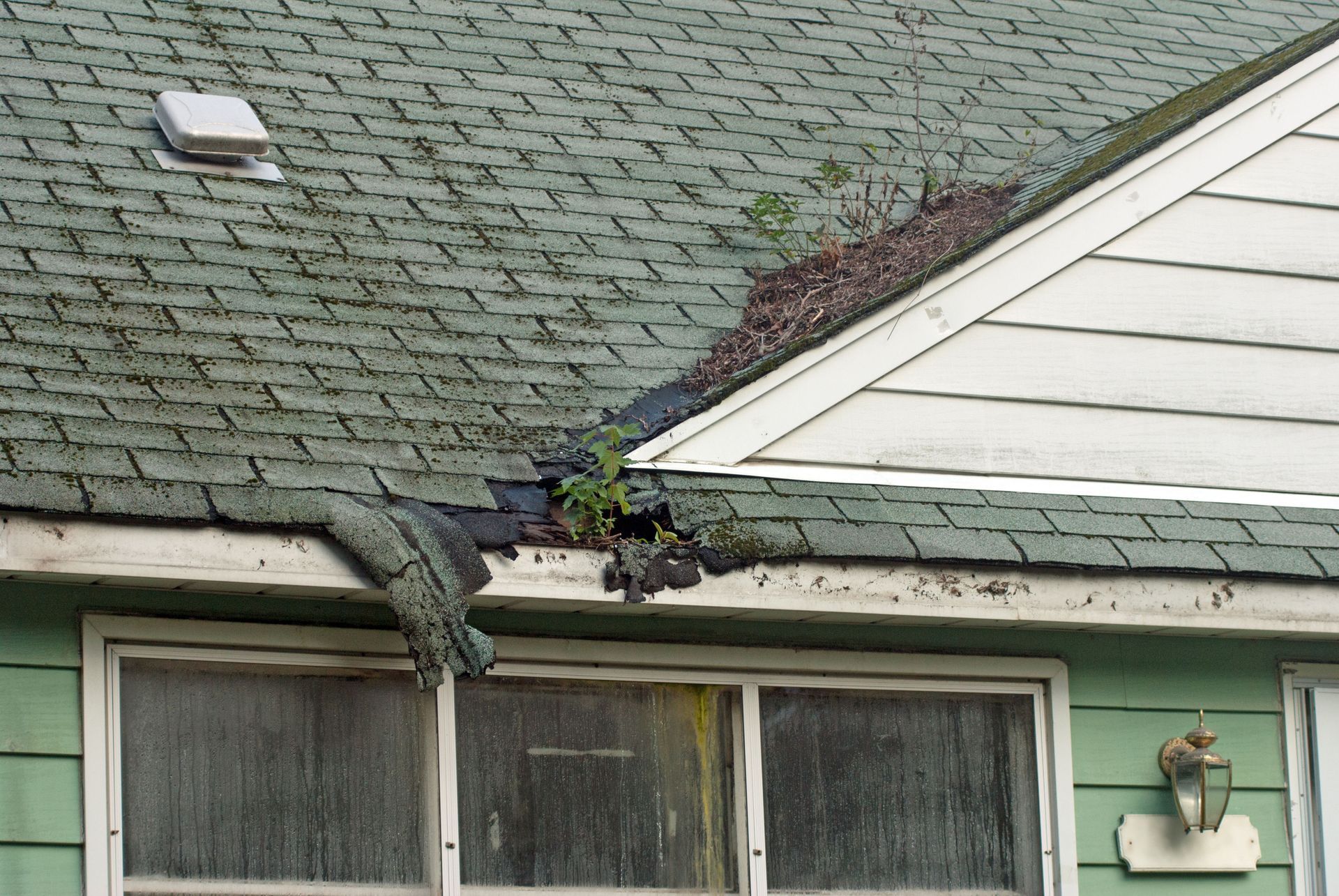
Water intrusion is one of the most common and damaging problems a home can face. Roof leaks often start subtly, showing up as small water stains on ceilings or walls, peeling paint, or even faint mold growth. While these issues may seem minor at first, leaving them unaddressed can result in structural damage that compromises rafters, trusses, and fascia boards, potentially weakening your home's foundation. Over time, persistent leaks can lead to rotting wood, warped flooring, and costly interior damage.
Leaks can result from a variety of causes, including damaged shingles, deteriorating flashing, poorly sealed vents or chimneys, ice dams caused by freeze-thaw cycles, or clogged gutters that prevent proper water drainage. High winds or hail can exacerbate these problems by loosening shingles or denting flashing, creating new entry points for water. Even a small gap in flashing around a chimney or skylight can allow water to penetrate, often unnoticed until visible damage occurs inside the home.
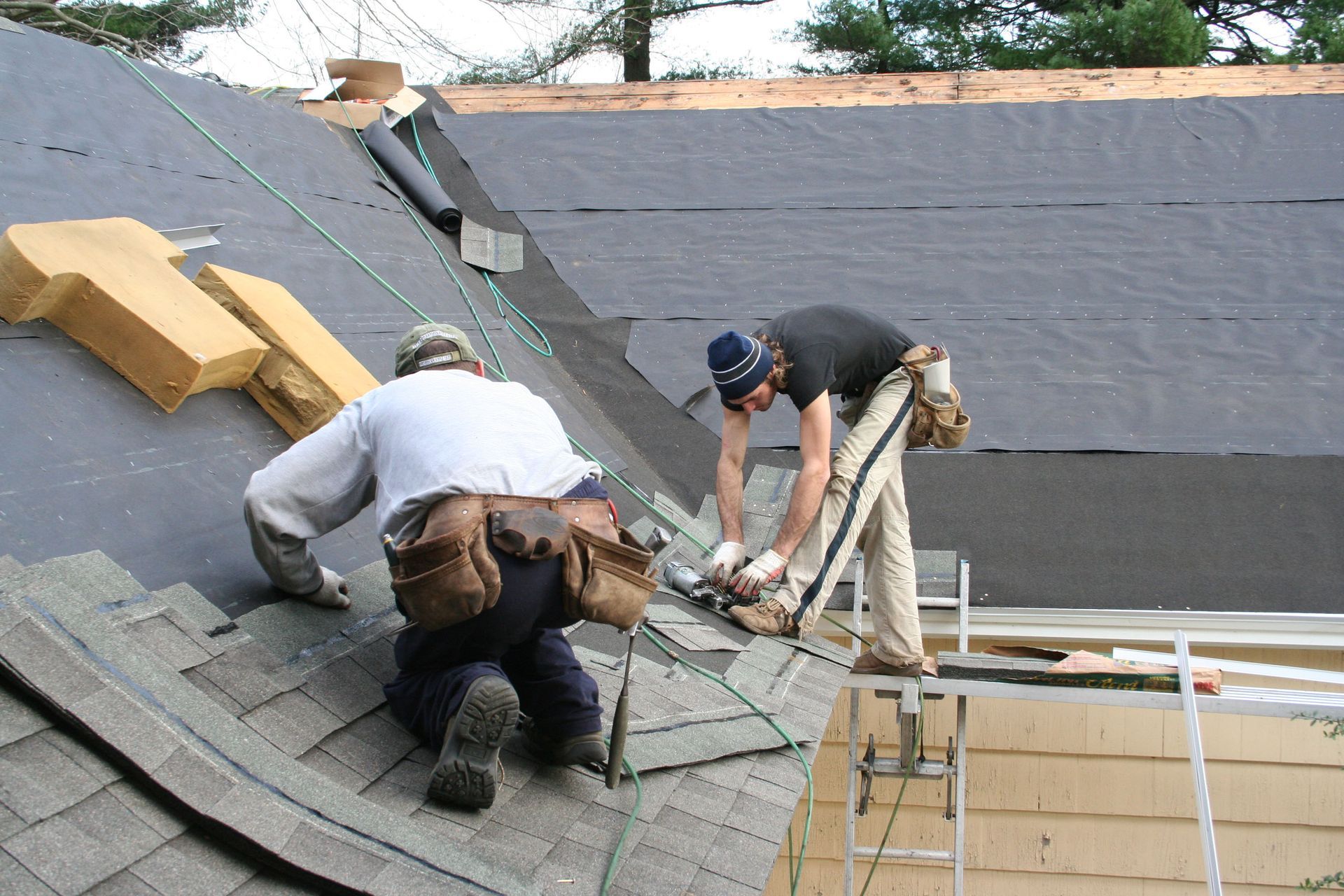
Preventing and addressing leaks starts with early detection. Regular roof inspections, particularly after heavy storms or seasonal changes, are essential. Cleaning gutters, ensuring proper attic insulation, and checking for ice dam formation are all effective preventive steps. A local roofing contractor can thoroughly evaluate your roof, identify potential vulnerabilities, and implement precise repairs to restore its integrity. According to Today's Homeowner, repairing a roof is usually the better option when it is under 15 years old and the damage is minimal, making early intervention both cost-effective and efficient. Timely professional repairs not only stop ongoing leaks but also prevent future problems from developing in hidden areas of your home.
Maintaining Shingles and Protecting Roof Surfaces
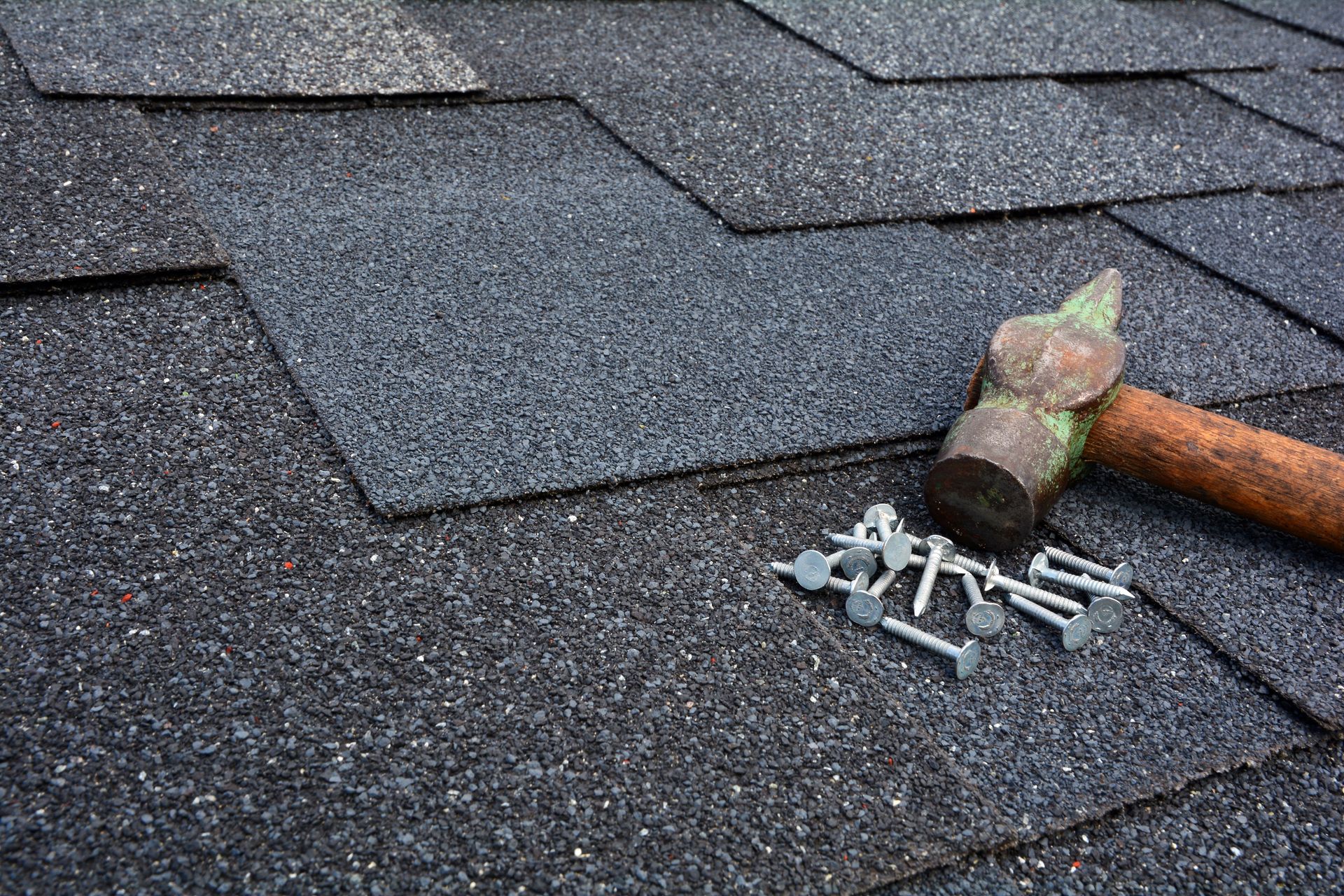
Shingles are the primary shield for your home, protecting it from rain, wind, and extreme temperatures. Damaged or missing shingles reduce your roof's ability to repel water and can lead to leaks or structural deterioration. Signs of shingle damage include cracks, curling edges, granule loss, or visible gaps where shingles have broken off. Even minor issues, if left unattended, can develop into more serious problems that affect the entire roofing system. Shingle damage is often caused by environmental stressors. High winds can peel shingles away, hail can puncture surfaces, and prolonged sun exposure can make shingles brittle. Aging materials naturally wear down, and improperly installed shingles may fail prematurely.
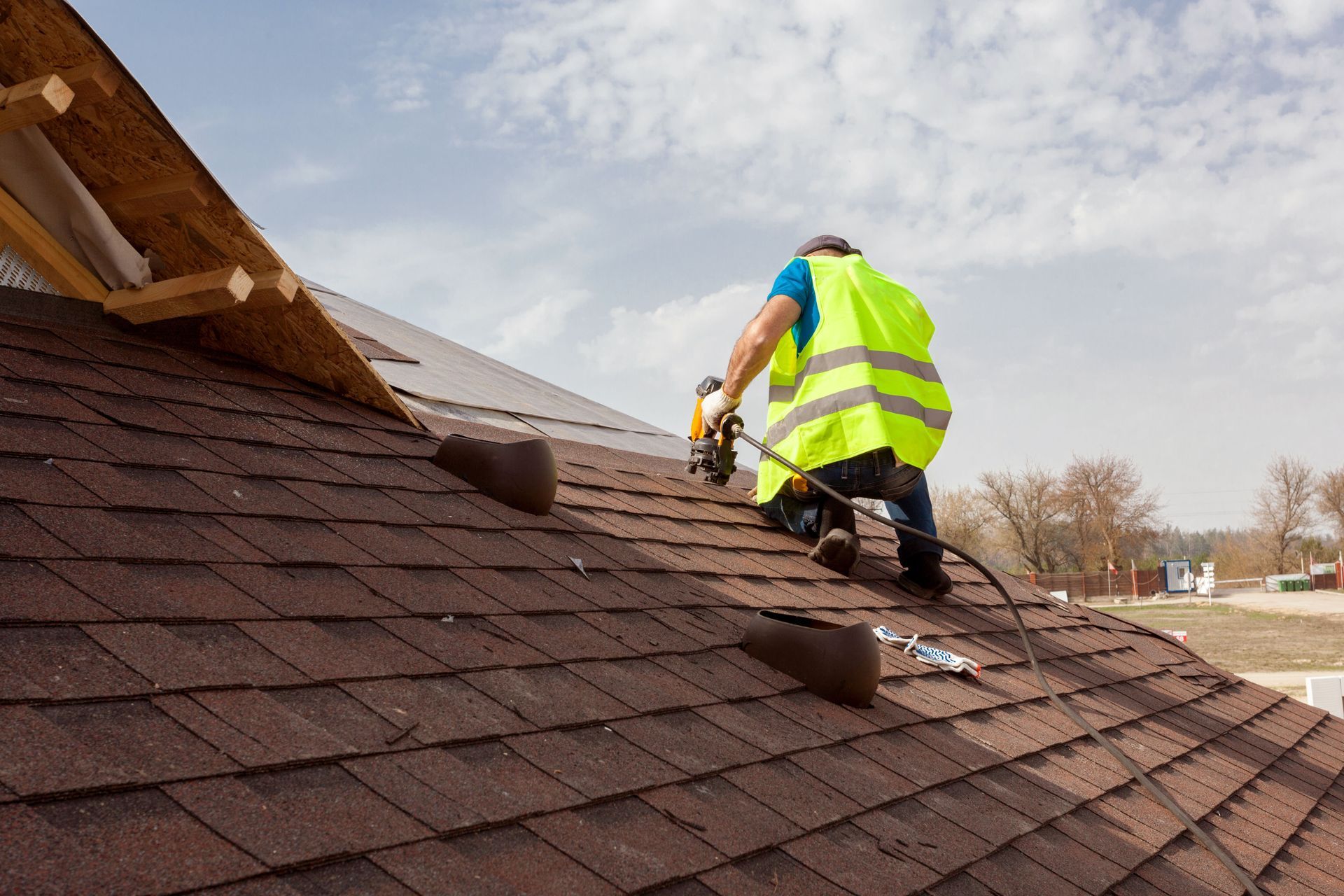
Repairing or replacing damaged shingles quickly is crucial for maintaining roof longevity. Choosing the right material is equally important. Asphalt shingles are popular due to affordability and ease of installation, while impact-resistant shingles offer enhanced durability against storms. High-end options, such as metal or slate, provide long-lasting protection and aesthetic appeal but require professional expertise for installation. A local roofing contractor can recommend the best materials for your climate, roof slope, and budget, ensuring your home remains protected while minimizing long-term repair costs. Regular inspections and maintenance by a professional team help preserve shingle integrity and delay the need for a full roof replacement.
Ensuring Proper Roof Ventilation
Roof ventilation plays a critical role in extending the lifespan of your roofing system and maintaining a healthy home environment. Ventilation regulates temperature and moisture levels in the attic, preventing heat buildup in summer and condensation in winter. Without proper airflow, excessive moisture can accumulate, leading to mold growth, wood rot, and ice dams that damage shingles and gutters.
Inadequate ventilation often manifests through higher energy bills, hot attic spaces during summer months, ice buildup along roof edges in winter, and signs of mold or mildew. Heat trapped in the attic forces HVAC systems to work harder, reducing efficiency and increasing wear on heating and cooling components. Over time, the combination of heat and moisture can accelerate shingle deterioration and compromise structural elements.
Inspecting and Repairing Flashing
Flashing is a vital component of a roof, designed to protect vulnerable areas where water is likely to enter. These areas include chimneys, skylights, roof valleys, and where the roof meets vertical walls. Damaged flashing can lead to leaks that infiltrate the structure of your home, causing extensive damage if left unaddressed.
Flashing deterioration can occur due to weathering, temperature fluctuations, or improper installation. Even minor cracks or corrosion can compromise the roof's water-resistant barrier. Signs of failing flashing include visible gaps, rust, or water stains on walls and ceilings near these areas. Routine inspection is key to detecting issues before they escalate.
Assessing and Protecting Against Weather Damage
Roofs face a constant battle against the weather. High winds can tear shingles from the roof, hail can puncture roofing materials, heavy rain can overwhelm drainage systems, and snow and ice can cause dangerous ice dams. Each of these weather events presents risks to both the roof surface and the underlying structural framework.
Storm damage often goes unnoticed until visible problems arise, but early assessment is essential. Homeowners should check for missing shingles, dented materials, damaged flashing, and gutter issues after any significant weather event. Documenting storm damage is important for insurance claims, but a professional inspection by a local roofing contractor ensures that hidden problems are identified before they escalate.
Strengthening your roof against severe weather can include installing impact-resistant shingles, reinforcing roof decking, and maintaining proper insulation to reduce the risk of ice dams. Emergency measures, such as temporary tarps, protect your home until permanent repairs are completed. Engaging a local roofing contractor ensures that repairs and reinforcements are performed safely, effectively, and in compliance with building standards, giving homeowners peace of mind that their roof can withstand future storms.
Managing Gutters and Roof Drainage
Efficient roof drainage is essential for protecting both the roof and the home's foundation. Gutters and downspouts direct water away from the structure, preventing pooling that can lead to leaks, wood rot, or basement flooding. Poor drainage can cause prolonged exposure of roofing materials to moisture, increasing the risk of damage and shortening the roof's lifespan.
Early signs of drainage issues include overflowing gutters, sagging sections, and pooling water around the foundation. Regular cleaning, inspection, and maintenance prevent clogs and maintain proper water flow. In areas with heavy rainfall, advanced solutions such as gutter guards, French drains, or larger downspouts can provide additional protection.
A local roofing contractor can evaluate your drainage system and recommend tailored improvements to ensure water is effectively diverted from your roof and home. Routine attention to drainage systems prevents costly repairs, preserves roofing integrity, and safeguards the foundation from water-related damage. Your roof is one of the most important investments in your home. Ignoring common roofing issues can lead to costly repairs, structural damage, and safety risks. By taking proactive steps to inspect, maintain, and repair your roof, you can extend its lifespan, protect your home, and avoid expensive replacements.
Partnering with a local roofing contractor ensures that repairs are done correctly and efficiently. Regular inspections, preventive maintenance, and professional guidance allow homeowners to address minor issues before they escalate into major problems. Whether it's repairing a small leak, replacing damaged shingles, or reinforcing your roof against severe weather, a local roofing contractor provides the expertise and equipment necessary to safeguard your home.
Don't wait until small roofing issues turn into costly repairs. Contact a local
roofing contractor
at Straight Line Roofing and Siding Inc today to schedule a professional roof inspection and ensure your home remains protected.