January 7, 2026
Roofing is a critical component of any building, serving as the first line of defense against weather elements while also contributing to the structural integrity and aesthetics of the home. Proper installation of a roof is vital as it ensures longevity, minimizes maintenance, and guarantees the safety of its occupants. In this article, we will explore the aspects a professional roofer checks during the roofing installation process, providing a comprehensive understanding of each critical step. The roof installation process is intricate, requiring attention to detail and expert knowledge. Homeowners often underestimate the importance of hiring a professional roofer who can ensure all potential issues are addressed. A well-installed roof not only protects against inclement weather but also boosts energy efficiency and enhances property value. Professional roofers bring a wealth of experience, following industry standards to deliver optimal results.
1. Assessing The Roof Structure
Before any roofing project begins, a professional roofer will carefully assess the roof structure to ensure it can support the new installation. This initial step involves inspecting the roofing deck to identify any weaknesses or damage that could affect the roof's stability. A compromised deck can lead to leaks, sagging, or even structural failure over time.
Structural supports are also examined closely. Roofers check beams, trusses, and rafters to ensure they are capable of handling the weight of the new materials. Any weaknesses discovered must be repaired before proceeding with the installation. This step is essential for safety and long-term durability.
Ventilation is another key component evaluated during the assessment. Proper airflow helps regulate attic temperatures, prevent moisture buildup, and reduce the risk of mold and ice dams. By assessing ventilation early, roofers can recommend improvements that increase energy efficiency and extend the roof's lifespan.
2. Selecting and Preparing Materials
The selection and preparation of roofing materials are critical to a successful installation. Professional roofers consider climate, roof pitch, and the homeowner’s aesthetic preferences when choosing materials. Selecting the correct shingles or tiles improves durability, energy efficiency, and curb appeal.
Quality control is also paramount. Roofers source materials from reputable suppliers to ensure everything, from underlayment to fasteners, meets industry standards. Poor-quality materials can result in premature wear, leading to more frequent repairs and a shorter lifespan for the roof.
Accurate material calculations are performed to prevent shortages or excessive waste. Professional roofers plan carefully so that all materials are ready and available for a smooth workflow. According to Today's Homeowner, roofs that are more than 20 years old often need regular repairs, making replacement and proper material selection a more practical long-term decision. Proper preparation ensures that roof installations are efficient, reliable, and built to last.
3. Installing The Underlayment
The underlayment serves as a secondary water barrier and is one of the first major steps in roof installations. Professional roofers install this layer meticulously, ensuring it is smooth and free from wrinkles that could compromise its protective function. Overlapping each layer is a standard technique that helps direct water away from the roof deck. Roofers pay close attention to this process, ensuring that every seam contributes to a watertight barrier. Proper fastening is equally important, as it prevents the underlayment from shifting during severe weather conditions. Additionally, roofers check that the underlayment works seamlessly with the ventilation system. Ensuring proper airflow helps maintain consistent attic temperatures, reducing energy costs and prolonging the life of roofing materials.
4. Aligning and Securing Shingles
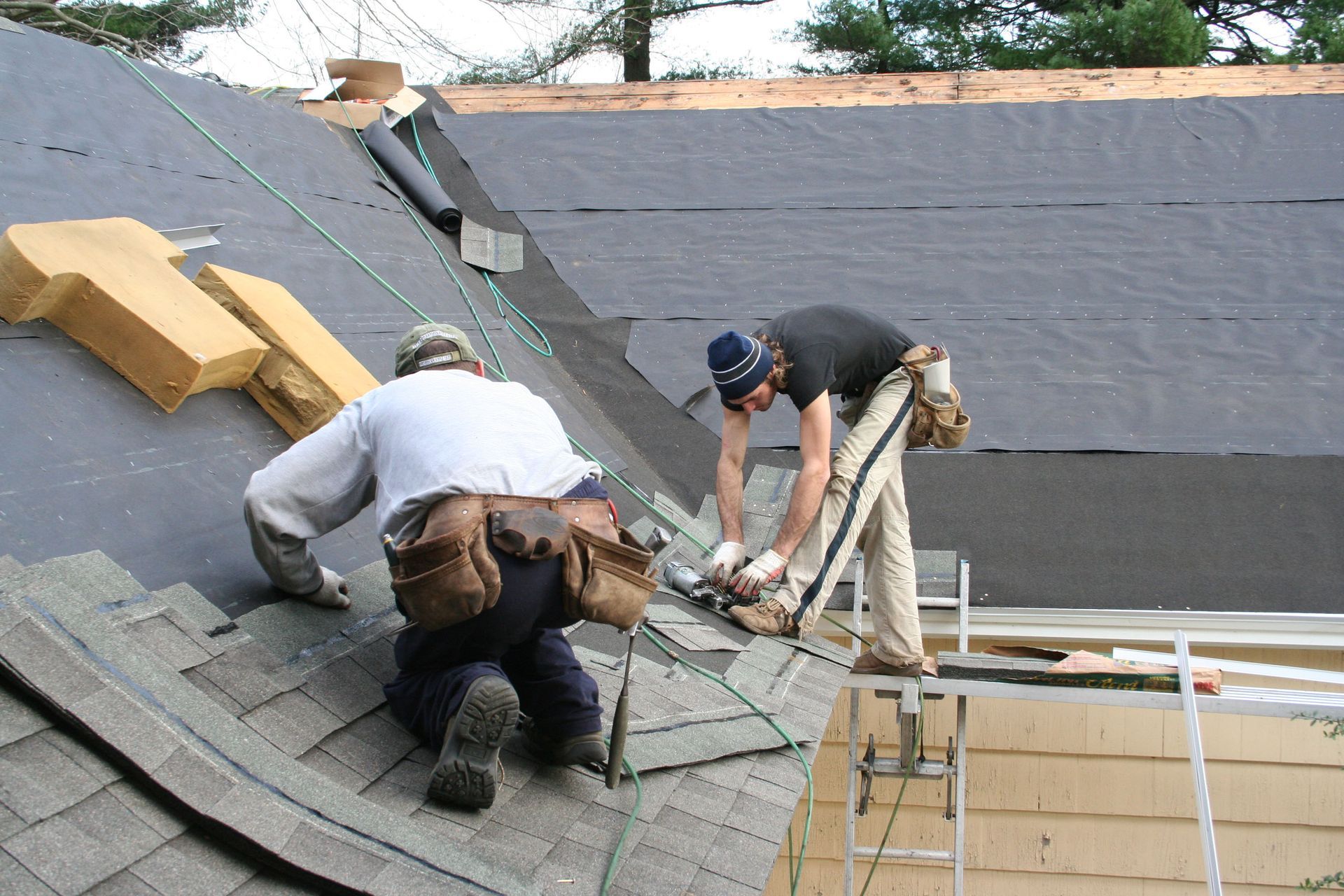
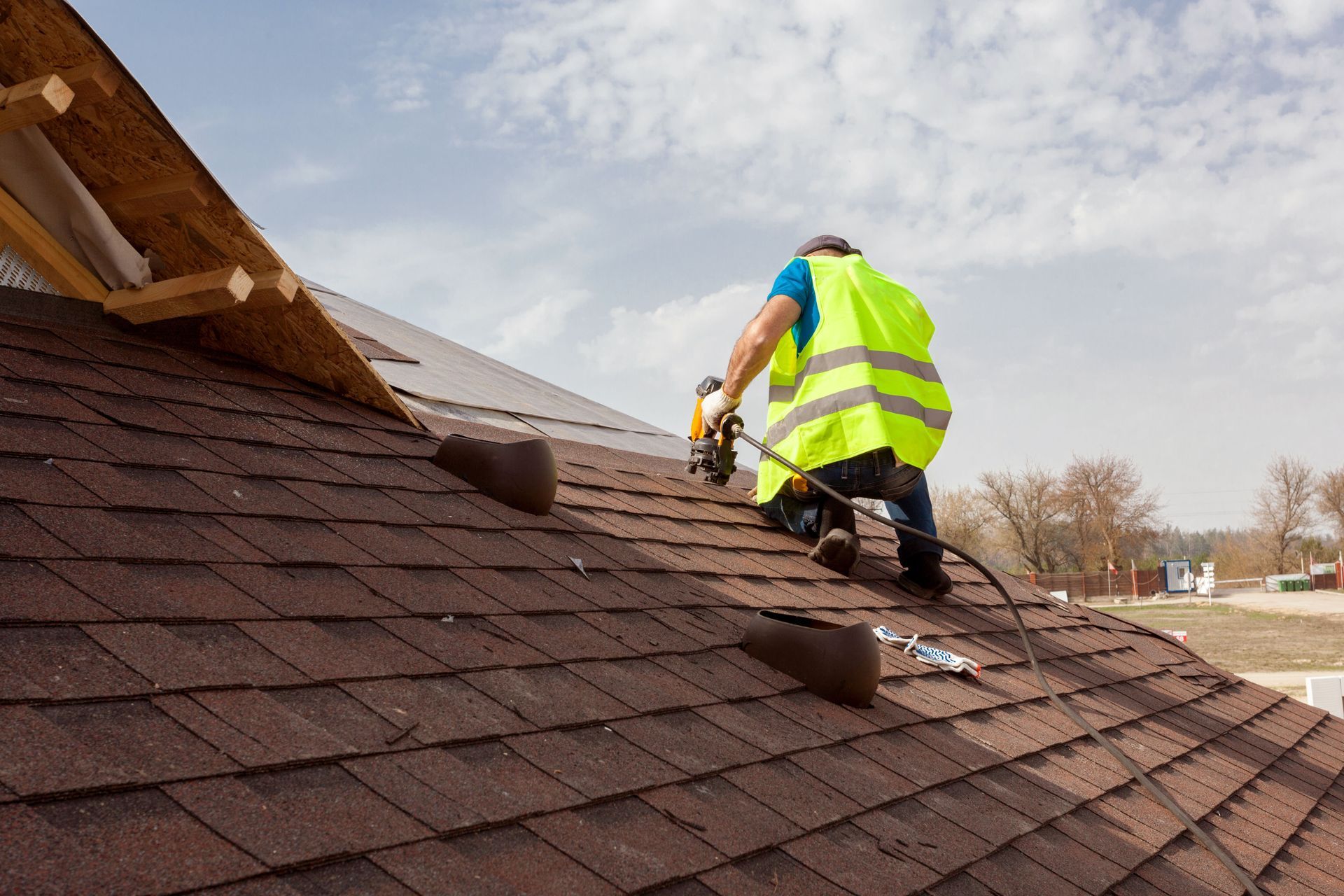
After the underlayment is installed, roofers proceed to the shingles, which are crucial for both protection and aesthetics. The alignment of shingles must be precise to prevent gaps that could allow water penetration. Professional roofers carefully measure and position each shingle to achieve uniformity across the roof.
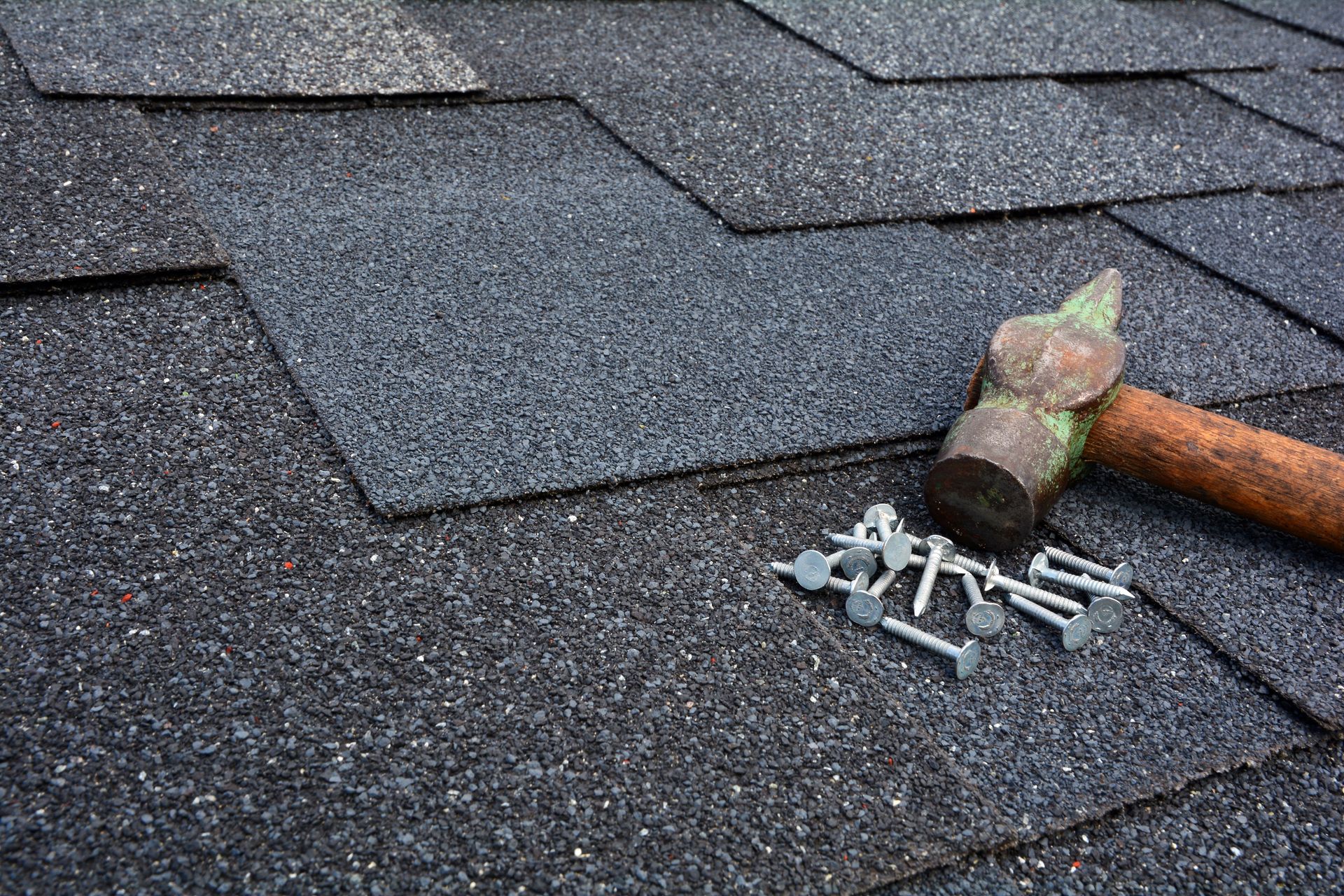
Securing the shingles involves selecting the right nails and employing proper nailing techniques to withstand wind and other weather challenges. Special attention is given to valleys, ridges, and edges, as these are particularly vulnerable to water intrusion. Maintaining a consistent overhang ensures water is directed away from the roof edges, protecting fascia, soffits, and the foundation. Roofers also inspect corners and joints to prevent wind damage and uplift, which can compromise the roof’s performance. Through these careful measures, roof installations achieve both functionality and visual appeal.
5. Installing Flashings and Applying Sealants
Flashings are installed at joints where the roof meets walls, chimneys, or skylights to prevent leaks. Professional roofers position these elements precisely, ensuring a tight seal that protects against water infiltration. Any gaps in flashing placement can lead to costly damage, so accuracy is essential.
Sealants complement flashings by providing additional protection around penetrations. Roofers apply long-lasting sealants to vulnerable areas, ensuring no potential water entry points remain exposed. This process enhances the overall durability and resilience of the roof.
After installation, roofers examine both flashings and sealants for weaknesses. Testing for potential leaks or failures allows them to reinforce problem areas proactively. This attention to detail is vital for ensuring that roof installations provide lasting protection for the home.
6. Conducting Final Inspections and Clean-Up
Before declaring a project complete, roofers perform a thorough inspection of the entire roof. They check that every shingle, flashing, and sealant is installed according to industry standards. Any issues are immediately addressed, ensuring the roof is both safe and visually appealing.
Post-installation clean-up is equally important. Professionals remove debris, nails, and leftover materials, leaving the property safe and pristine. Clean-up also reflects a roofer’s commitment to professionalism and respect for the homeowner’s property. Compliance with local building codes is verified at this stage. Roofers provide guidance on routine maintenance, emphasizing that proper care—such as clearing gutters and inspecting the roof after storms—can extend its life. This is particularly crucial for older homes where roofs may exceed 20 years, as regular upkeep prevents minor problems from becoming major repairs.
7. Educating Homeowners During Installation
Professional roofers not only install roofs but also educate homeowners on what to expect during and after installation. Clear communication helps homeowners understand how each step contributes to the roof’s performance, from ventilation and underlayment to shingles and flashing. Homeowners learn about maintenance practices, warning signs of damage, and how seasonal changes can affect the roof. This knowledge empowers them to make informed decisions about repairs or future roof installations, ultimately saving time and money.
By engaging homeowners throughout the process, roofers build trust and transparency, making the installation experience less stressful. Education also reinforces the value of hiring a skilled professional who prioritizes both quality and long-term protection. Professional roofers undertake a meticulous, step-by-step process to ensure the successful installation of a new roof. From assessing the structure and selecting materials to installing underlayment, shingles, flashings, and sealants, every phase is carefully executed. Final inspections, clean-up, and homeowner education further ensure that the roof delivers durability, safety, and aesthetic appeal.
Roof installations are a significant investment, and hiring experienced professionals guarantees that the project meets high standards. With proper care and maintenance, a new roof can protect the home for decades, enhance energy efficiency, and boost property value. Homeowners who understand what goes into quality roof installations can approach their projects confidently, knowing that their home will remain secure, beautiful, and well-protected. For expert roof installations and trusted guidance every step of the way during installation, contact Straight Line Roofing & Siding Inc today.