June 10, 2026
In this article, we explore the importance of reliable roof installations and their role in ensuring lasting durability for your home. According to HomeGuide, a complete roof replacement costs $5,700 to $16,000 on average or $300 to $600 per square (100 SF), depending on the roof size, pitch, and material. Roofs are a critical component of any structure, providing protection from the elements while enhancing curb appeal. As such, selecting the right roofing material and contractor is crucial for long-term performance. We address common questions and considerations to ensure your roof stands the test of time.
1. What Are the Best Materials for Roof Installations?
1.1 Asphalt Shingles
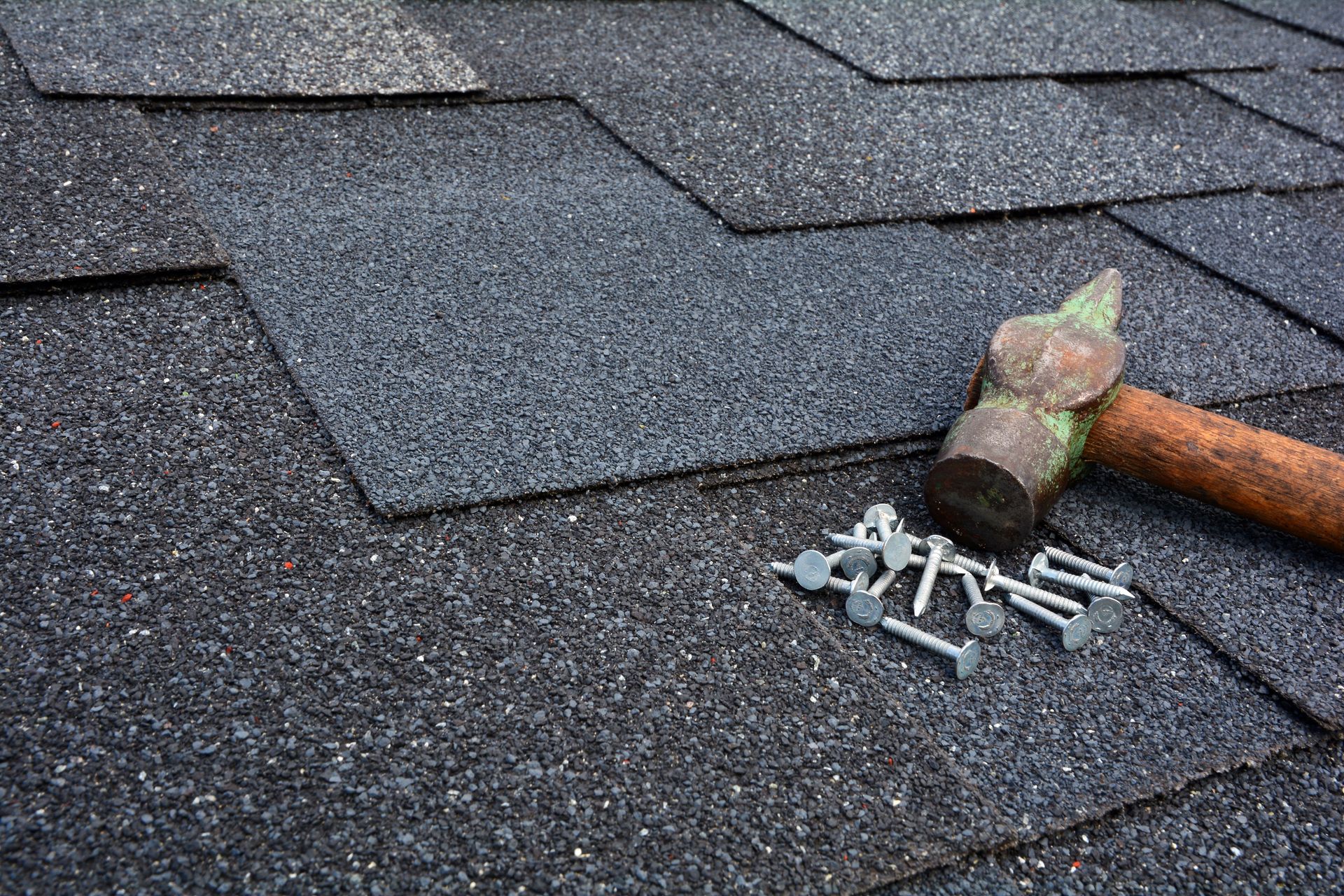
Asphalt shingles are one of the most popular choices for residential roofing due to their affordability and versatility. Available in a range of styles and colors, they can complement any architectural design. While they may not last as long as some premium materials, their durability is still commendable, often exceeding 20 years. They are a cost-effective choice, with median pricing depending on your location and style preferences.
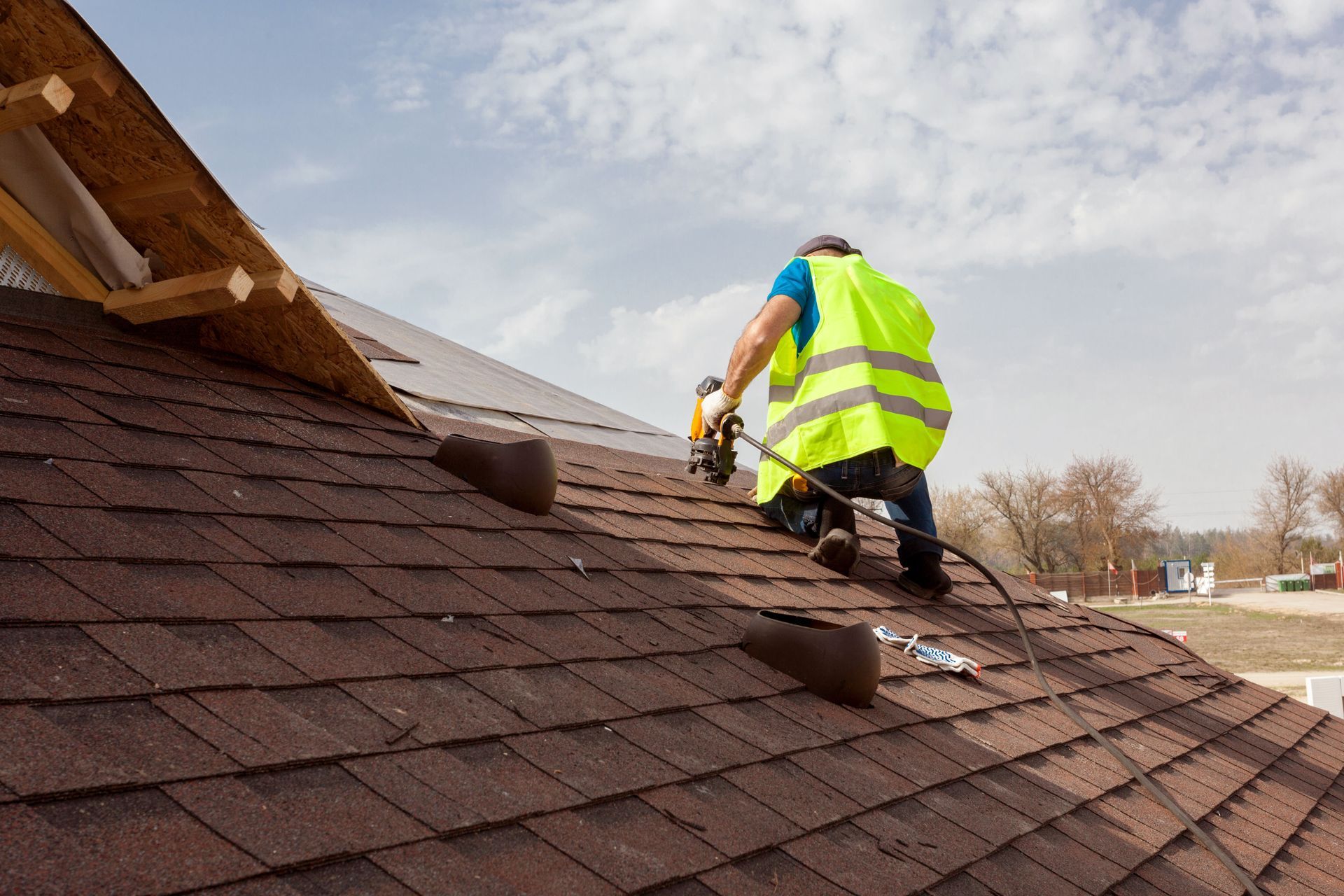
The installation of asphalt shingles is generally straightforward and can be accomplished by most professional roofing contractors. Their lightweight nature makes them suitable for most structures without the need for additional reinforcement. These shingles also perform well in various weather conditions, though they are best suited for moderate climates. Moreover, proper installation enhances their effectiveness in safeguarding against leaks and energy loss.
In terms of maintenance, asphalt shingles require periodic inspection to ensure they're free from damage caused by severe weather. It's advisable to keep them clean from debris and regularly check for any signs of wear. While they offer decent wind resistance, supplements like ridge vents can enhance roof ventilation. Overall, choosing asphalt shingles offers an economical and aesthetically pleasing roofing option.
1.2 Metal Roofing
Metal roofing has gained popularity for its exceptional durability and long lifespan, often lasting 40 to 70 years. It is available in various compositions, such as steel, aluminum, and copper, each with distinct advantages. This roofing material is celebrated for its ability to withstand extreme weather conditions, such as heavy snow and strong winds. Despite a higher upfront investment, the longevity and energy efficiency of metal roofs make them cost-effective in the long run.
Moreover, metal roofs are highly reflective, meaning they can reflect solar radiant heat, reducing cooling costs by up to 25% during summer months. For homes seeking sustainable options, metal roofs are often comprised of recycled materials, making them an environmentally friendly solution. Additionally, they require minimal maintenance and are resistant to mildew, insects, and rot. Metal roofing adds a contemporary aesthetic to a home, boosting its resale value.
Installation of metal roofs should be conducted by experienced professionals owing to their specific installation requirements. Proper installation ensures that noise levels, such as from rain or hail, are kept in check. Equipped with interlocking panels, metal roofs offer enhanced wind resistance, making them ideal for areas prone to hurricanes. Homeowners considering this option should weigh the initial costs against long-term benefits when planning roof installations.
2. How to Choose a Reliable Roofing Contractor?
2.1 Checking Licenses and Insurance
A licensed roofing contractor ensures the adherence to regulations and standards set by local authorities. Employment of licensed professionals provides homeowners with the assurance that the work performed meets stringent quality and safety criteria. Insurance is equally critical, as it protects both the homeowner and contractor in case of accidents or property damage. Verifying your contractor's licensing and insurance is an essential first step in hiring for roof installations.
Without appropriate licensing and insurance, homeowners may find themselves liable for accidents on their property. Furthermore, unlicensed contractors may offer lower prices, but their work can result in costly future repairs. Documentation should always be requested and verified with local licensing boards and insurance firms. This proactive approach safeguards your investment and ensures peace of mind during the installation process.
Many regions maintain online directories where you can verify contractor credentials and review their complaint history. A commitment to continuing education can also indicate a contractor's dedication to staying abreast of industry standards and emerging technologies. Homeowners can avoid potential scams and substandard workmanship by prioritizing contractors with the proper credentials. Proper verification processes contribute significantly to the success and longevity of roof installations.
2.2 Reading Reviews and Testimonials
Online reviews and testimonials provide insight into a contractor's reputation and the quality of their services. They reveal customer experiences and satisfaction, offering a real-world perspective on the contractor's reliability and professionalism. While reviews should be considered with a degree of scrutiny, recurring themes or issues can highlight potential red flags. Consistently positive feedback suggests that a contractor has a proven track record of successful roof installations.
Testimonials can also clarify how contractors address issues post-installation and handle follow-up services. Attention to customer service and communication is often as important as the technical skills required for the job. It is sensible to cross-reference reviews across multiple platforms to form a comprehensive view of the contractor. Neighbors and local forums can also be valuable resources for firsthand recommendations and warning signs.
Some contractors may provide references from previous clients or show portfolios of work. These offers tangible proof of their competence and style alignment with your preferences. Such evidence can assuage doubts by illustrating a contractor’s consistency in delivering satisfactory results. Investing time in research and gathering feedback ensures that you align with a contractor capable of delivering durable, high-quality roof installations.
3. What to Expect During the Roof Installation Process?
3.1 Initial Assessment and Planning
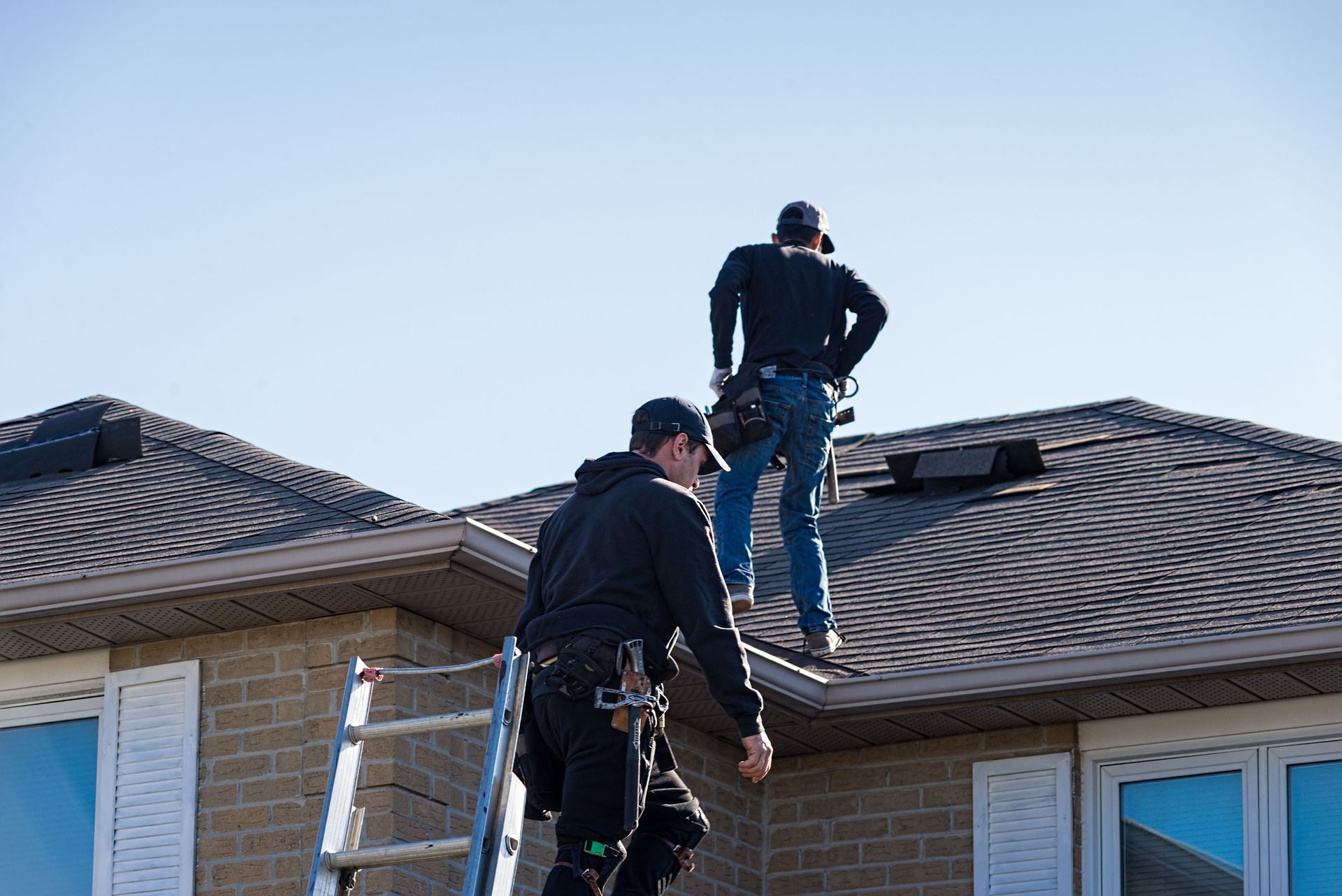
The roof installation process begins with an initial assessment and planning phase, critical for setting clear expectations and goals. During this phase, contractors assess the existing roof's condition, measuring parameters and identifying concerns that might impact new installations. This upfront analysis informs critical decision-making, including material selection and timeline estimates. A detailed plan shared with homeowners enhances understanding and aids in setting realistic deadlines.
In the planning stage, considerations such as weather conditions, project size, and resource allocation are carefully evaluated. By addressing potential challenges, such as structural weaknesses or unfavorable weather, unforeseen delays can be mitigated. Accurate site preparation and estimations ensure that all parties are aligned on the project scope, fostering transparent communication throughout the process. Such meticulous preparation is crucial for on-time and within-budget roof installations.
It's also necessary to establish a project timeline and schedule accommodations as needed, including permits or scaffolding setup. This stage may also cover the review of safety measures to protect both workers and homeowners during construction. A successful planning phase reduces risks and sets a firm foundation for the installation stages that follow. Informed homeowners are empowered to make confident decisions and actively participate in the successful realization of their roofing projects.
3.2 Removal of Existing Roofing
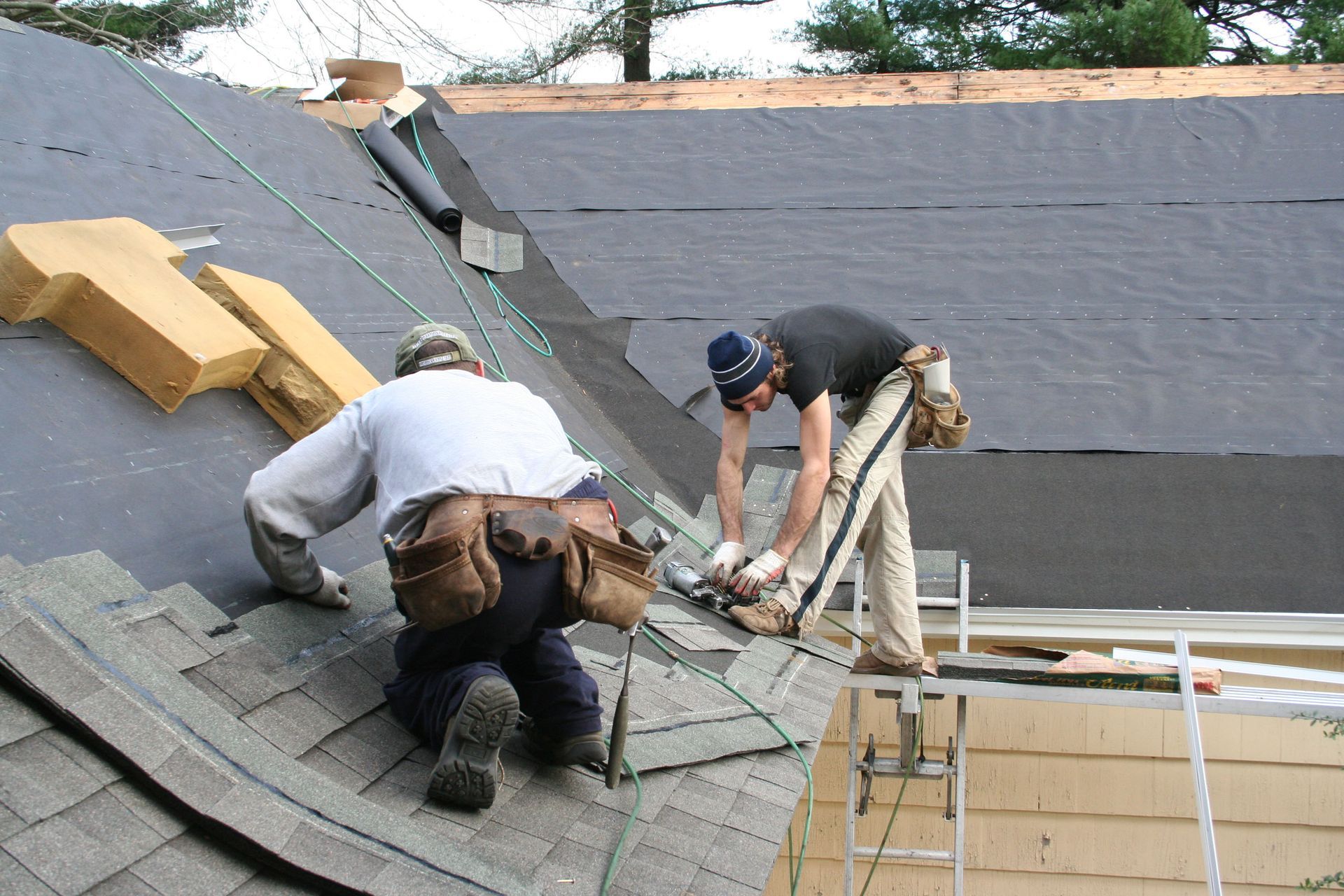
The removal of the existing roof is a labor-intensive process that requires careful execution to prevent damage to the underlying structure. This step is typically initiated by detaching shingles or other roofing materials, often revealing the condition of the sub-roofing layers. Removal must be conducted in an orderly fashion to avoid contamination of the site with debris and ensure that remaining structural elements remain intact. Roof contractors usually employ specialized tools and practices to efficiently strip old materials away.
Once the old roofing is removed, contractors assess any repairs or enhancements required to the decking or support structures. Addressing these areas is crucial to ensure the new roof has a sound base, ready to support the new installation. This step is vital to the integrity of subsequent roof installations as any overlooked weaknesses can lead to premature issues.
Reliable roof installations are essential for safeguarding your home and ensuring its durability over time. By understanding the various aspects of roof installations, from material selection to maintenance, homeowners can make informed decisions that contribute to the longevity and integrity of their roofing systems.
The choice of materials and contractors, coupled with a clear understanding of the process, yields satisfactory and enduring results. A reliable roof not only brings peace of mind but also elevates the value and comfort of one's home. Readers are encouraged to reflect on this crucial aspect of home maintenance to ensure that their investments stand the test of time. Reach out to Straight Line Roofing & Siding Inc today to see how we can help you!